
Single Skill vs Cross Functional Designers: What Companies Want in 2026
Web D School | Designer Pro | Industry Insight
The design industry is changing rapidly – and many students preparing for a design career haven’t realized it yet.
For years, companies hired separate specialists: one for graphic design, one for UI design, one for motion graphics, and another for web design.
But that hiring model is changing.
Today, companies increasingly look for designers who can handle multiple creative disciplines in one role. Not necessarily experts in everything, but capable enough to take a project forward without depending on several other specialists.
If you only know one skill, you may already be at a disadvantage before the interview even begins. In 2026, designers aren’t just competing with other candidates – they are also competing with AI tools that can already perform many isolated tasks faster and cheaper.
How the Design Job Market Has Changed
Around 2024, a noticeable shift began appearing in design job listings. Instead of simply asking for designers who knew tools like Photoshop or Figma, companies began asking for designers who could work across multiple disciplines.
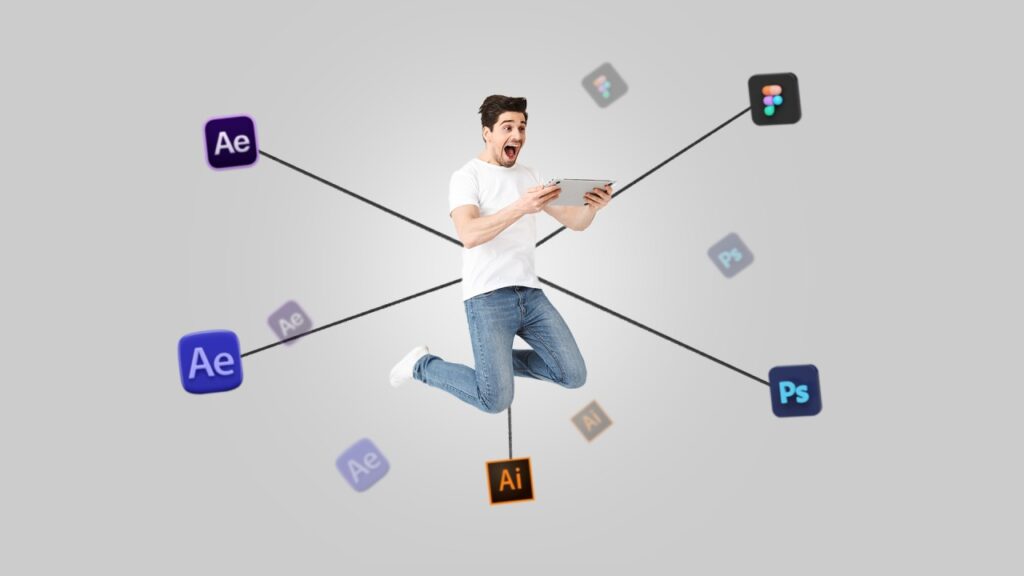
Employers started looking for candidates who could:
- Create brand identities
- Design product interfaces
- Build websites
- Produce motion graphics for marketing
This shift happened for three main reasons:
- Startups need efficiency
- Design tools are becoming more integrated
- AI is automating repetitive design tasks
As a result, hiring managers increasingly shortlist designers who can contribute across different areas of a project rather than those who specialize in just one task.
Why Companies Prefer Cross-Functional Designers
Consider a typical startup hiring its first designer.
The company cannot afford to hire four specialists. Instead, they need one designer who can move a project from idea to execution.
That designer may need to:
- Design the brand logo and visual identity
- Create UI screens for the product
- Build the company website
- Develop motion graphics for ads and marketing
The designer doesn’t have to be the world’s best at each task. But they need to understand how each part connects to the others.
This kind of designer is often called a T-shaped designer.
What Is a T-Shaped Designer?
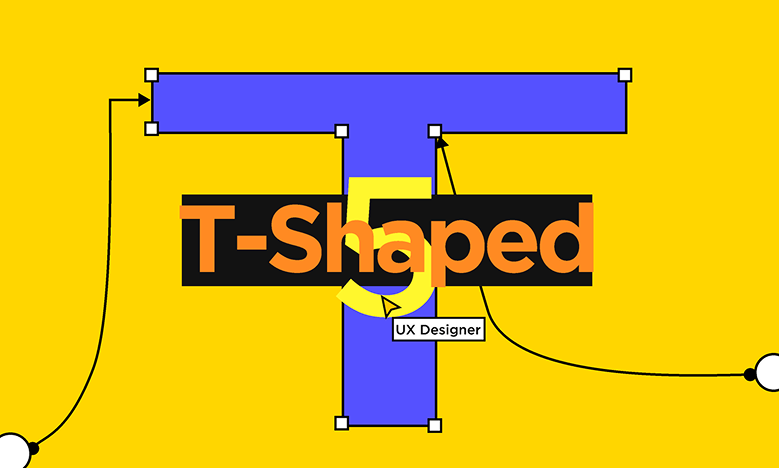
A T-shaped designer has:
One deep specialization and Working knowledge across multiple design areas
For example:
A designer might specialize in UI/UX design, but also understand:
- Branding
- Motion graphics
- Web design
- Marketing creatives
This combination makes them extremely valuable because they can move projects forward without waiting for other specialists.
For example:
A UI designer who finishes a screen design may need to wait days for someone else to animate it.
But a designer who understands both UI and motion design can finish the animation in minutes and move on to the next task.
Which designer do you think a manager prefers to work with?
What Interviewers Actually Look For Today

Many students think design interviews are about showing beautiful designs.
But interviews today focus on something deeper.
Hiring managers want to understand how you think.
They ask questions like:
- Why did you choose this layout?
- What problem were you solving?
- What would you improve in the next version?
- How did the design support the product goals?
A designer with only one skill can usually talk only about the tool they used.
But a cross-functional designer can explain the entire creative process – from problem to solution.
That is what makes a portfolio look professional rather than just “student work.”
Single-Skill vs Cross-Functional Designers
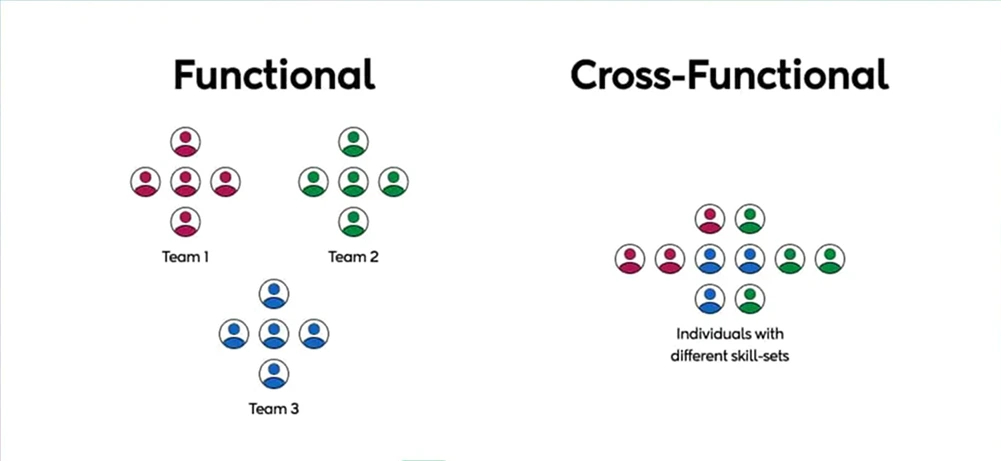
Here is a simple comparison of how companies see these two types of designers.
Single-Skill Designer
- Portfolio shows separate projects for each tool
- Needs help at different stages of a project
- Talks mostly about software skills
- Competes with AI for task-based work
- Often limited to entry-level roles
Cross-Functional Designer
- Portfolio shows complete end-to-end projects
- Can take a project from idea to execution
- Explains the problem, strategy, and outcome
- Uses AI as a support tool rather than competing with it
- Advances faster into mid-level roles
This difference is why many hiring managers now prefer designers who can think across the entire creative system.
What Your Portfolio Should Actually Show
A strong design portfolio in 2026 doesn’t need dozens of projects. Instead, it should demonstrate complete problem-solving ability.
A good portfolio usually includes 1-2 full projects that show the entire process, including:
1. Brand Work
- Logo design
- Color palette
- Visual identity
2. Product Design
- App screens
- Website interface
- User flows
3. Execution Work
- Final website
- Motion graphics
- Marketing creatives
When hiring managers see a portfolio like this, they don’t just see design skills.
They see someone who can carry a project from start to finish – something AI tools cannot replace.
What We Are Seeing at Web D School
At Web D School, we see this industry shift directly through our placement team.
Every month, 50-60 companies contact us looking to hire designers.
Two years ago, those calls were very specific:
- “Send us a graphic designer.”
- “We need a UI designer.”
But today, companies often say something different:
“We need someone who can handle branding, UI, and web design in one role.”
Many companies also mention that AI handles basic tasks, but they still need designers who can guide the creative direction.
That is why cross-functional designers are becoming increasingly valuable in the job market.
Why Multi-Skill Designers Grow Faster in Their Careers
From our experience with alumni, designers trained across multiple disciplines tend to grow faster in their careers.
The reason is simple. Managers find them more useful.
Instead of waiting for work to move back into their specific specialty, these designers can contribute across multiple stages of a project.
This versatility often leads to:
- Faster promotions
- Higher salaries
- More creative responsibility
Specialists still have value, but in the early stages of a career, cross-functional skills open more opportunities.
The Freelance Advantage
Cross-functional skills are even more valuable for freelance designers.
A freelancer who understands:
- Branding
- UI/UX
- Web Design
- Motion Graphics
can serve clients completely on their own.
They don’t need to outsource or hire additional designers to complete a project.
In a freelance market increasingly filled with AI-generated design, the designers who win clients are the ones who bring strategic thinking and integrated creativity.
Those are skills that tools alone cannot replicate.
The Future of Design Careers
The design industry has changed – and AI has accelerated that change.
If you only learn one design skill, you may be preparing for a job market that is shrinking.
The most valuable opportunities today are going to designers who can connect the entire creative system together.
A simple way to think about it:
Single-skill designers compete with AI.
Cross-functional designers direct it.
Want to Become a Cross-Functional Designer?
If you want to build skills across branding, UI/UX, web design, and motion graphics, the Designer Pro program at Web D School is designed to prepare you for the modern design industry.
✔ 11+ Years of Training Experience
✔ 6,000+ Graduates
✔ 93% Placement Rate
You’ll learn how to create complete design projects – not just isolated assignments.
👉 Enquire About Designer Pro
Available on campus in Chennai and online across India.